 VGarage

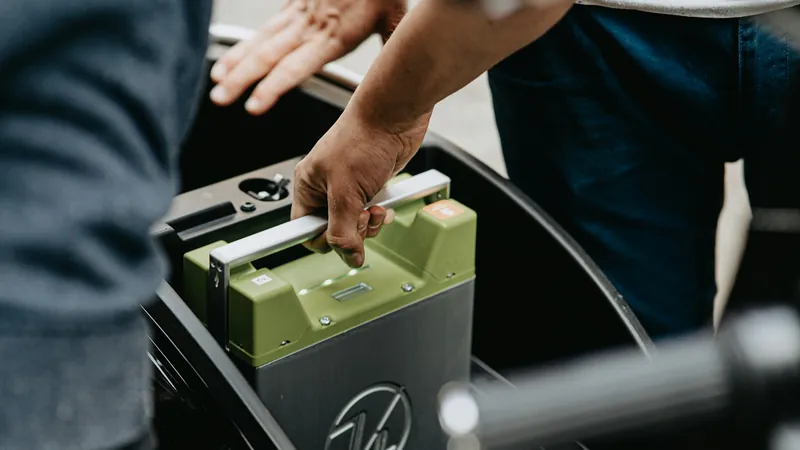
A car battery that is dying usually tells you before it quits: the engine cranks slowly, you hear clicking when you turn the key, the lights look dim at idle, the battery warning light comes on, or electrical things start acting up. Most batteries last about three to five years, but in hot places they tend to wear out sooner. Motolite puts the typical life at around two to three years in Philippine conditions. If yours is near that age and showing any of these signs, have it tested before it strands you.
The short version
- Watch for: slow cranking, clicking, dim lights, a battery or charging warning light, electrical glitches, needing jump-starts, a rotten-egg smell or a swollen case.
- Expect: roughly 2 to 3 years in a hot climate like ours, 3 to 5 years in milder ones.
- Test it: every six months once it's a couple of years old, before long trips, and after floods or a heat wave.
- Not always the battery: a warning light can also point to the charging system, so let a mechanic check both.
The warning signs
AAA and Motolite list much the same signs. Any one of them is worth a test; two or more together usually mean the battery is near the end.
- Slow engine crank. The starter turns over lazily, as if it's struggling, especially first thing in the morning.
- Clicking when you turn the key. The starter isn't getting enough power, or a connection is poor.
- Dim headlights or dashboard lights, especially at idle, or lights that flicker.
- A battery or charging warning light on the dashboard.
- Electrical problems. Power windows, the radio or the aircon behaving oddly can point to a weak battery.
- Frequent jump-starts. If you've needed more than one lately, the battery is struggling.
- A rotten-egg or sulphur smell near the battery, which can mean a leak or damage.
- A swollen or bulging case, often a sign of overheating or overcharging.
A bad smell or a bulging case is more than a nuisance. Don't keep driving on it and hoping; have it looked at soon.
How long car batteries last
AAA says car batteries typically last three to five years: five or more in cool climates, and closer to three in hot ones. Motolite, which makes batteries in the Philippines, says most last about two to three years in local conditions. Those numbers aren't a contradiction. Heat speeds up the chemistry that wears a battery out, and under the hood on a hot day it gets far hotter than the air outside.
A few other things shorten a battery's life:
- Short trips. AAA notes that short trips may not fully recharge the battery after starting. A car that only does a few kilometres to school and back can slowly run its battery down.
- Long periods parked. Batteries lose charge on their own when a car sits unused for weeks.
- Vibration. A missing or loose hold-down lets the battery shake, which can shorten its life a lot.
- Heavy use with the engine off. Lights, aircon, a dashcam in parking mode or the stereo all draw from the battery when the engine isn't charging it.
When to have it tested
You can't judge a battery by looking at it, and most fail without much warning once they're old. A test at a battery shop or service centre checks how much it can still deliver. Motolite suggests checking:
- Every six months or at your regular maintenance, and more often (every three months) for a battery two to three years old that does long drives, daily driving or heavy traffic.
- A few days before a long trip, so there's time to replace it if needed.
- Right after a typhoon, a flood or peak summer heat.
AAA's rule for milder climates is to test yearly once the battery is three years old. In our heat, the shorter interval is the safer one.
Is it the battery or something else?
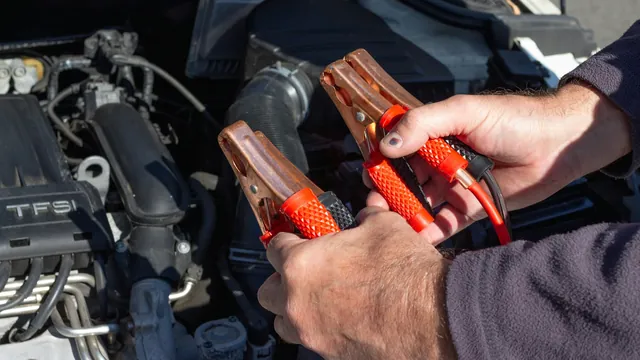
The symptoms of a weak battery overlap with other faults. AAA notes that the battery warning light often points to battery or charging problems, and a car that dies while driving, or a new battery that keeps going flat, may have a charging fault or something draining power while parked. Clicking can come from a loose or corroded terminal rather than a tired battery. This is why a proper test beats guessing: a mechanic can check the battery, the charging system and the connections together.
Hybrids and EVs usually have a small 12-volt battery as well as the big drive battery, and that small one can go flat too. Check your owner's manual before you jump-start any car, and follow its steps exactly.
Common mistakes
- Waiting for it to fail. An old battery that "still starts" can die on the one morning you can't afford it.
- Replacing the battery when the problem is elsewhere. If a new battery goes flat, have the charging system checked.
- Forgetting when it was fitted. Without a date, you can't tell whether a slow crank means a worn-out battery or a one-off.
- Leaving accessories on with the engine off, or a dashcam running in parking mode for days.
- Ignoring a swollen case or a bad smell. Those mean damage, not age.
Tips for a longer battery life
- Park in the shade where you can. Less heat under the hood is kinder to the battery.
- Take a longer drive now and then if the car mostly does short trips.
- Keep the hold-down tight and the terminals clean. Ask for a look at both at each service.
- Turn things off before you switch off the engine, and don't run the aircon or stereo for long with the engine off.
- Use the battery your manual specifies for size and type, especially on cars with start-stop systems.
Batteries are only one part of keeping a car reliable. Our car maintenance schedule guide covers the rest.
Track it with VGarage
The most useful number for a battery is its age, and it's the one most people forget. In VGarage:
- Log the replacement as a service with the date and the odometer, so you always know how old the battery is.
- Record the cost under repairs, or add your own Battery category, so it shows up in what the car costs to run.
- Add a repeating reminder by date, such as a battery test every 6 months, or one a few days before a long trip. Date reminders notify you on your iPhone.
Then, the next time the engine cranks slowly, you'll know at a glance whether the battery is two months old or three years old. The VGarage FAQ explains how reminders work.
Track it with VGarage
VGarage keeps every fill-up, service and cost for all your cars on iPhone: scan the pump and the receipt, get service reminders by date or odometer, and see what each car really costs to run.