 VGarage

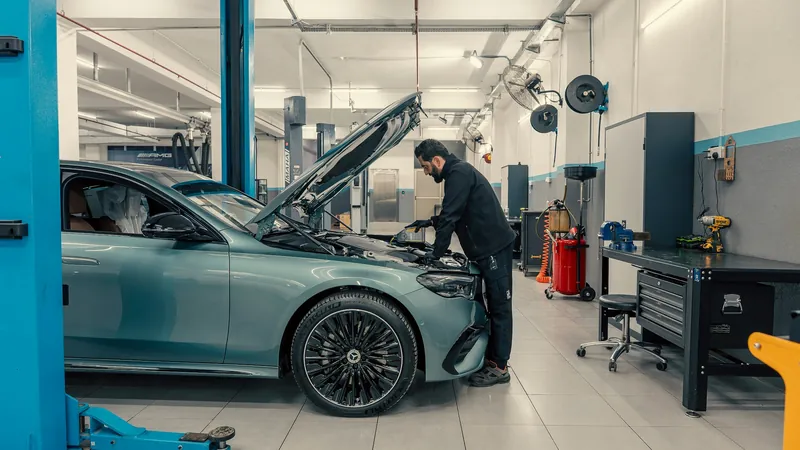
A good car maintenance schedule has two halves: a PMS (periodic maintenance service) every set number of kilometres or months, whichever comes first, and a few quick checks you do yourself about once a month. Many cars in the Philippines are booked for PMS every 5,000 or 10,000 km, with bigger services at 20,000 and 40,000 km, but the only schedule that really counts is the one in your owner's manual or warranty booklet. Here's how those schedules are usually built, so the booklet makes sense.
The short version
- Follow your manual first. Intervals differ by car, engine and oil. Keeping to them also protects your warranty.
- Kilometres or months, whichever comes first. A car that sits still still needs its oil changed.
- City traffic is hard on a car. Stop-and-go driving, short trips, heat and dust usually mean the "severe" schedule.
- Do a five-minute check monthly: tire pressure, oil level, fluids, lights and wipers.
What is PMS?
PMS is the routine service your car's maker lays out for its first years and beyond: oil and filter changes, inspections, and parts replaced before they wear out. Dealers in the Philippines usually describe it by odometer milestones, such as the "10K PMS" or the "40K PMS". Each milestone includes everything from the smaller ones, plus a bit more.
Your booklet gives two numbers for each service, such as 10,000 km or 6 months. Go by whichever comes first. If you only drive 4,000 km a year, the months will come due long before the kilometres.
A typical schedule by kilometre
This is how many dealer schedules are laid out. It's an example to help you read your own, not a replacement for it:
Every 5,000 km (oil service)
- Engine oil and oil filter, for cars whose maker sets a 5,000 km interval. Many newer cars on synthetic oil go longer. See how often to change your oil.
Every 10,000 km (light service)
- Oil and filter.
- Tire rotation and pressure check.
- Brake inspection, lights, wipers and fluid top-ups.
- A multi-point inspection and a road test.
Every 20,000 km (medium service)
- Everything above.
- Brake fluid condition, cooling system and hoses, steering and suspension, exhaust.
- Engine air filter and cabin filter checked or cleaned.
Every 40,000 km (heavy service)
- Everything above.
- Engine air filter and cabin filter replaced.
- Often fluids due by age, such as brake fluid or coolant, and spark plugs on some engines, depending on the manual.
Bigger items like a timing belt, transmission fluid or spark plugs come at their own intervals, often 60,000 km or more. They're easy to forget because they come up so rarely, so find them in your booklet now and note the kilometres.
Normal or severe service?
Most manuals have two schedules. The "severe" one has shorter intervals. AAA describes severe conditions as mainly short trips, very hot, cold or dusty climates, sustained stop-and-go driving, and carrying heavy loads or towing. A daily drive through Metro Manila traffic, in tropical heat, checks several of those boxes, so many city cars belong on the severe schedule. So do cars that wade through floods, or regularly carry a full load of passengers up to Baguio.
If in doubt, ask your dealer which schedule fits the way you drive, and follow that one.
The checks you can do yourself
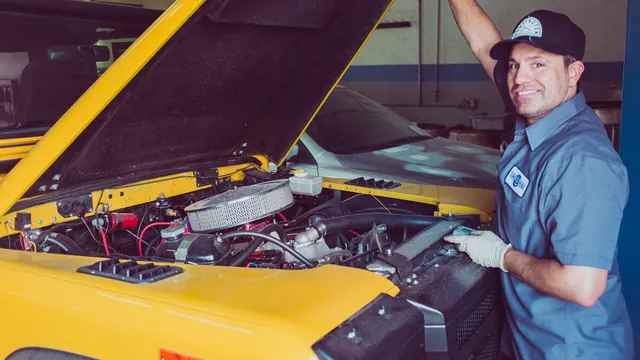
AAA suggests checking most of these about once a month. It takes five minutes in a parking lot:
- Tire pressure, with the tires cold, against the figure on the door-jamb sticker. Look at the tread too. More in tire pressure and rotation.
- Engine oil level on the dipstick, engine off and on level ground.
- Coolant, brake fluid and washer fluid levels in their reservoirs.
- Lights: headlights, brake lights, signals. Ask someone to stand behind the car.
- Wipers: streaks or chatter mean it's time. AAA suggests replacing them about once a year.
- Battery: AAA suggests having it tested twice a year. Slow starts are a warning; see car battery signs.
Also listen and feel. A new squeal when braking, a pull to one side, a vibration at speed or a warning light on the dash are reasons to book a check now, not at the next PMS. For brakes, see when to replace brake pads.
Common mistakes
- Going by kilometres only. Oil and fluids age even when the car sits in the garage.
- Using the normal schedule for severe driving. If your car lives in traffic, the shorter intervals are probably yours.
- Skipping PMS during the warranty. Warranties usually require the maker's maintenance; skipping it can give the dealer a reason to refuse a claim.
- Losing the receipts. A service history adds value when you sell; see used car service history.
- Forgetting the rare items. Timing belts and transmission fluid don't come up often, which is exactly why they get missed.
Tips for staying on schedule
- Book the next PMS when you collect the car. Note the odometer and the date it's due.
- Keep every receipt and the odometer reading on it. Photos are fine.
- Use your coding day for shop visits if you're in Metro Manila; see number coding.
- Set reminders by kilometres, not just dates. More in service reminders by odometer.
Track it with VGarage
VGarage keeps your services with the odometer reading, next to your fill-ups and costs, so the history is in one place. For the schedule itself, add a reminder per item:
- By date, by odometer, or both: for example 10,000 km or 6 months for PMS. Set it to repeat every few months or kilometres.
- Due soon: a reminder shows as due soon 14 days or 500 km ahead by default.
- Notifications: date reminders also notify you on your iPhone.
Odometer reminders work from the readings you log, so enter the odometer with each fill-up, or add a plain odometer reading now and then. How reminders work is in the VGarage FAQ.
Track it with VGarage
VGarage keeps every fill-up, service and cost for all your cars on iPhone: scan the pump and the receipt, get service reminders by date or odometer, and see what each car really costs to run.